How Often Should You Water Your Lawn During a Texas Summer? Expert Tips for a Healthier Yard
The Best Summer Lawn Watering Schedule for North Texas Grass
Keeping your lawn green during a Texas summer can feel like a constant battle. With temperatures regularly climbing into the 90s and even triple digits, many homeowners wonder if they’re watering enough, or perhaps watering too much. The truth is that proper irrigation is one of the most important parts of maintaining a healthy lawn, but timing and technique matter just as much as the amount of water you apply.
At Abracadabra Lawn Pest & Weed Control, we’ve helped homeowners across Wylie and surrounding North Texas communities keep their lawns healthy through some of the state’s hottest summers. Our lawn treatment programs are designed to strengthen turf, improve root health, and help grass withstand heat, drought, weeds, and pests. We understand the unique challenges of North Texas soils, unpredictable rainfall, and intense summer sunshine, and we tailor our recommendations to the needs of your lawn. Whether your yard surrounds a family home near Founders Park in Wylie or a neighborhood in Murphy, Plano, Sachse, or Allen, the right watering schedule combined with professional lawn care can make all the difference.
If you’re asking, “How often should I water my lawn during a Texas summer?” here’s what every homeowner should know.
Water Deeply, Not Daily
One of the biggest lawn care mistakes homeowners make is watering a little every day. While it may seem like you’re helping your grass survive the heat, frequent shallow watering actually encourages shallow root systems that struggle during hot weather.
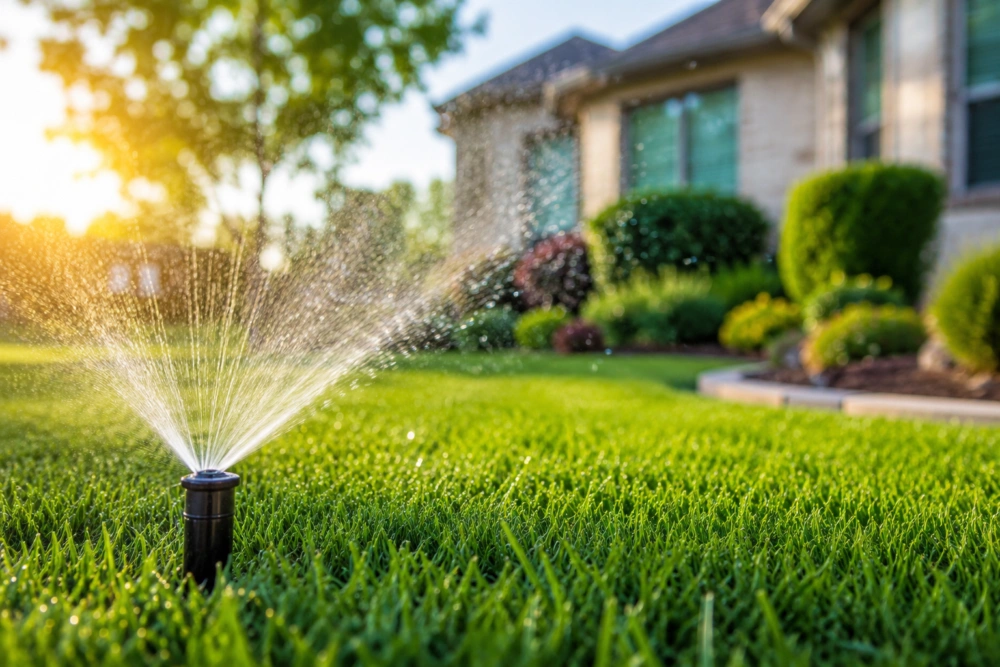
Instead, lawn experts recommend watering deeply and less frequently. Most established Texas lawns need about one inch of water per week, including rainfall. During extended periods of extreme heat, some lawns may require slightly more depending on grass type, soil conditions, and sun exposure. Deep watering encourages roots to grow farther into the soil, making your lawn more drought tolerant.
Know the Signs Your Lawn Needs Water
Rather than watering on a fixed calendar schedule, pay attention to your lawn’s condition.
Common signs of drought stress include:
- Grass turning a dull blue-gray color
- Leaf blades folding or curling
- Footprints remaining visible after walking across the lawn
- Dry or brittle grass blades
Texas A&M AgriLife recommends watering when these symptoms first appear instead of watering every day, helping conserve water while maintaining healthy turf.
Water Early in the Morning
Timing is just as important as frequency.
The best time to water your lawn is early in the morning, typically between 5:00 a.m. and 9:00 a.m. Morning watering allows moisture to soak into the soil before the hottest part of the day while reducing evaporation and minimizing the risk of lawn diseases caused by prolonged moisture overnight.
Avoid watering during the afternoon when evaporation rates are highest. Evening watering should also be limited because wet grass overnight can encourage fungal diseases.
Adjust Your Watering for North Texas Conditions
No two lawns require exactly the same amount of water.
Several factors affect how often your lawn should be watered, including:
- Bermuda grass versus St. Augustine grass
- Clay or sandy soil
- Full sun or shaded areas
- Recent rainfall
- Local watering restrictions
Many North Texas lawns benefit from watering once or twice per week during the summer rather than daily irrigation. Homeowners can also perform a simple “tuna can test” by placing several empty cans around the yard while sprinklers are running. Once the cans collect about one inch of water, you’ll know how long your irrigation system should run.
Healthy Lawns Need More Than Water
Even a properly watered lawn can struggle if weeds, insects, or poor soil health are left untreated.
Summer is an active season for weeds, grub worms, chinch bugs, and other lawn pests that compete with healthy grass. Heat stress also makes turf more vulnerable to damage from insects and disease.
Professional lawn treatment services provide benefits that watering alone cannot, including:
- Seasonal lawn fertilization
- Weed control treatments
- Grub worm prevention
- Pest management
- Stronger root development
- Healthier, thicker turf
A comprehensive lawn care program helps your grass use water more efficiently while improving its ability to tolerate drought and summer heat.
Common Watering Mistakes to Avoid
Small mistakes can have a big impact on your lawn’s health.
Avoid these common watering errors:
- Watering every day instead of deeply
- Running sprinklers during the hottest part of the afternoon
- Ignoring rainfall and overwatering
- Using dull mower blades that increase water loss
- Waiting until grass turns completely brown before watering
A proactive approach saves water, promotes healthier roots, and reduces the likelihood of expensive lawn repairs later in the season.
Give Your Lawn the Care It Needs This Summer
Proper watering is one of the best ways to protect your lawn during a Texas summer, but it’s only one piece of the puzzle. Healthy grass also depends on balanced fertilization, effective weed control, pest management, and treatments tailored to North Texas growing conditions.
At Abracadabra Lawn Pest & Weed Control, we’re committed to helping homeowners throughout Wylie and nearby communities enjoy greener, healthier lawns all season long. Our customized lawn treatment services are designed to keep your grass strong, resilient, and beautiful despite the summer heat.
Ready to give your lawn the professional care it deserves? Contact us today to schedule a consultation and learn how our lawn treatment services can help your yard thrive this summer.