
Why Grubs Are Most Active During Summer and What Homeowners Should Know
Summer Grub Control Tips to Protect Your DFW Lawn
If your lawn suddenly develops brown patches during the summer, you may assume the Texas heat is to blame. While high temperatures certainly stress grass, another common culprit is often hiding just beneath the surface. Grub worms are one of the most destructive lawn pests in the Dallas-Fort Worth area, and summer is when they become most active. Left untreated, these small larvae can feed on your lawn’s root system, causing extensive damage that is expensive and time consuming to repair.
At Abracadabra Lawn Pest & Weed Control, we help homeowners throughout the DFW Metroplex protect their lawns from seasonal pests with customized lawn treatment programs. Our experienced team understands the life cycle of grub worms and knows exactly when preventative treatments are most effective. By combining lawn fertilization, weed control, and pest management into a comprehensive lawn care program, we help homeowners maintain healthy, resilient grass throughout the hottest months of the year. Whether you live in Wylie, Plano, Frisco, McKinney, Allen, Garland, Rockwall, or elsewhere in the Dallas-Fort Worth area, understanding grub activity is one of the best ways to keep your lawn green and thriving.
Why Are Grubs Most Active During Summer?
Grub worms are the immature larvae of several species of beetles, including June beetles and masked chafers. Their life cycle explains why summer is such an important time for homeowners to pay attention.
Adult beetles typically emerge in late spring and early summer to mate and lay eggs in healthy, well-watered lawns. Within a few weeks, those eggs hatch into young grubs that immediately begin feeding on grassroots. July through September is often the period when grub activity increases rapidly because the larvae are actively growing and consuming nutrients.
As the grubs feed below the surface, they damage the root system that allows grass to absorb water and nutrients. During a hot Texas summer, weakened grass has little chance of recovering from both drought stress and root damage.
Signs Your Lawn May Have Grub Worms
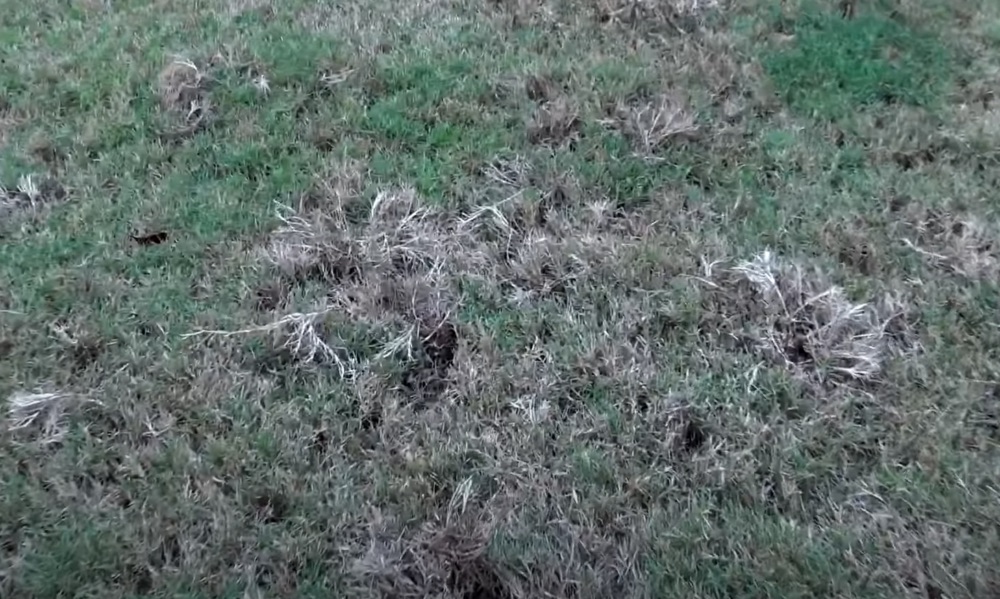
Because grubs feed underground, homeowners often don’t realize there’s a problem until visible damage appears.
Watch for these common warning signs:
- Brown patches that continue expanding despite regular watering
- Grass that feels loose or lifts easily like a piece of carpet
- Increased activity from birds, raccoons, armadillos, or skunks digging for food
- Thin, unhealthy turf that struggles to recover after mowing
- Areas that wilt much faster than the surrounding lawn
Many homeowners mistake grub damage for drought stress or lawn disease. If watering isn’t improving the condition of your grass, it’s worth having your lawn professionally inspected.
Why Grubs Cause More Damage During Texas Summers
North Texas summers create ideal conditions for grub damage.
High temperatures already place significant stress on turfgrass. When grubs begin feeding on the roots, the lawn loses its ability to absorb moisture efficiently. Even frequent watering may not help because the damaged roots cannot transport enough water to the blades.
The clay soils common throughout much of the DFW area can also make stressed lawns slower to recover. Combined with long periods of heat and occasional drought, grub infestations can quickly transform a healthy lawn into one requiring lawn repair or restoration.
Healthy, properly maintained lawns are generally better equipped to recover from environmental stress, but even the healthiest grass can suffer if grub populations become too large.
Preventing Grub Damage Before It Starts
The best way to protect your lawn is through preventative treatment rather than waiting until damage becomes severe.
Professional lawn treatment services target grubs during the early stages of their development, before they have the opportunity to destroy large portions of your lawn’s root system.
Preventative grub control offers several benefits:
- Protects grassroots before feeding begins
- Reduces the likelihood of costly lawn repairs
- Helps maintain thick, healthy turf throughout summer
- Supports stronger root development
- Complements weed control and lawn fertilization programs
Because treatment timing is critical, working with an experienced lawn care company helps ensure applications are made when they are most effective.
How a Complete Lawn Care Program Helps
Grub prevention works best when it’s part of a complete lawn care strategy.
At Abracadabra Lawn Pest & Weed Control, we don’t simply treat one problem at a time. Our lawn care programs are designed to strengthen your lawn from the ground up through services that work together.
Our comprehensive approach may include:
- Seasonal lawn fertilization
- Professional weed control
- Preventative grub treatments
- Lawn pest management
- Customized treatment schedules
- Ongoing lawn evaluations
Healthy turf naturally tolerates stress better than weakened grass. By improving soil health, encouraging deeper roots, and reducing competition from weeds and pests, your lawn has a much better chance of staying green throughout the Texas summer.
Protect Your Lawn Before Grubs Take Over
Grub worms may be out of sight, but they should never be out of mind during the summer months. Their feeding activity can quickly undo months of careful lawn maintenance, especially during periods of intense heat.
Fortunately, grub damage is largely preventable with early detection and professional treatment. A proactive lawn care program helps safeguard your grass while promoting healthier roots, better drought tolerance, and long-term lawn health.
If you want to keep your DFW lawn healthy this summer, Abracadabra Lawn Pest & Weed Control is here to help. Contact us today to schedule a consultation and learn how our lawn treatment and grub control services can protect your lawn before serious damage occurs.