
The Ultimate Spring Lawn Checklist: 5 Steps to Wake Up Your North Texas Grass
How to Assess Winter Damage, Time Your First Mow, and Set Your DFW Lawn Up for a Strong Season
Spring in the Dallas-Fort Worth area moves fast. One week the lawn is dormant and brown, and two weeks later the growing season is underway. If you miss the early-season window, weeds get a head start, stressed turf goes into the heat without the support it needs, and the rest of the year becomes reactive rather than proactive. At Abracadabra Lawn Pest and Weed Control, we are a family-owned company based in Wylie, serving homeowners throughout the greater DFW area, including Wylie, Rockwall, Plano, McKinney, Rowlett, Heath, and surrounding communities. Our eight-step treatment program is engineered specifically for North Texas clay soils, DFW weather patterns, and the Bermuda, St. Augustine, and Zoysia lawns most common in our area. Here is the spring checklist we recommend every homeowner work through before the growing season hits full stride.
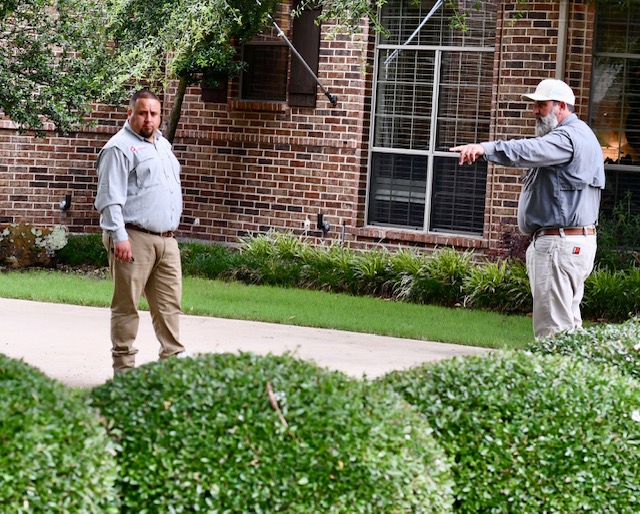
Step 1: Assess Winter Damage Before You Do Anything Else
North Texas winters are mild by national standards but they are not without consequence for turf. A late freeze, extended cold snap, or drought-dry winter can leave your lawn with issues that will not fully reveal themselves until temperatures climb and growth resumes. Before you fertilize, mow, or treat anything, spend time walking the property and looking closely.
What to look for:
- Irregular brown patches that do not green up with neighboring turf as temperatures rise, which may signal winter kill, disease, or soil issues
- Compacted, muddy areas near high-traffic zones that stayed wet through winter and will need intervention before they recover
- Thinning or bare spots where winter weeds competed with and weakened the turf
- Thatch buildup that accumulated over the dormant season and is now blocking light and water from reaching the soil
For Bermuda lawns specifically, some brown is expected through late winter. The test is whether the lawn greens evenly as soil temperatures climb. Patchy or uneven green-up is worth paying attention to and may warrant a professional evaluation before you invest in spring treatments.
Step 2: Apply Pre-Emergent Weed Control at the Right Time
This is the step where timing matters most and where most homeowners either get it right or spend the rest of the season paying for getting it wrong. Pre-emergent herbicides work by preventing weed seeds from germinating. Once those seeds have already sprouted, the window has closed.
In the DFW area, the target window for spring pre-emergent application is tied to soil temperature, not calendar date. When soil temperatures consistently hit 55 degrees at a four-inch depth, crabgrass and other warm-season weeds are preparing to germinate. That is when pre-emergent needs to be in the ground.
The challenge for homeowners doing this themselves is that timing varies by year, and applications made too early lose effectiveness before the full weed pressure arrives. Abracadabra’s first treatment of the season targets early-season weeds before they sprout, timed precisely to North Texas soil conditions, protecting Bermuda lawns from henbit and chickweed, St. Augustine turf during spring green-up, and slow-waking Zoysia from broadleaf competition.
Step 3: Aerate to Break Up North Texas Clay
North Texas clay soils compact significantly over winter, particularly in high-traffic areas and in yards that stayed wet during heavy rain periods. Compacted soil restricts root development, limits water penetration, and reduces the effectiveness of every fertilizer and treatment applied on top of it.
Spring aeration, whether core or liquid, opens up the soil structure and creates the conditions roots need to develop strongly heading into the growing season. For most DFW lawns, this is one of the highest-return investments in the spring maintenance calendar.
Liquid aeration, which Abracadabra specializes in, reaches the entire root zone uniformly without the disruption and recovery time that core aeration requires. It is particularly effective for the dense, shrink-swell clay soils common throughout Rockwall, Wylie, and the broader eastern DFW corridor.
Step 4: Time the First Mow Correctly
The instinct to mow as soon as the grass shows any green is understandable but often counterproductive. Mowing too early on turf that has not fully broken dormancy puts stress on a lawn that is still gathering resources for the season’s growth push.
The right time for the first mow is when the grass is actively and consistently growing, not just showing green tips. For Bermuda, that typically means waiting until the lawn has greened up substantially and is actively pushing new growth. For St. Augustine and Zoysia, which green up more gradually, patience pays off.
When you do mow:
- Do not remove more than one-third of the blade length in a single mowing, especially early in the season
- Mow slightly lower on the first cut to remove dead material and thatch that accumulated over winter, then return to your regular height going forward
- Make sure blades are sharp before the first mow of the season; dull blades tear rather than cut, which stresses turf and opens it to disease entry
Step 5: Feed the Lawn at the Right Time With the Right Product
Early spring fertilization is a conversation about timing and soil temperature. Applying nitrogen to a lawn that is not yet actively growing pushes growth the turf cannot support and can actually encourage disease rather than health. The goal is to fertilize when the lawn is ready to use what you are applying.
For most DFW lawns, that window opens as the lawn breaks full dormancy and soil temperatures are consistently supporting active root activity, typically April for Bermuda and a few weeks later for St. Augustine in most years. The fertilizer selection matters too: a balanced program that supports root development rather than just top growth sets the lawn up for the heat stress of summer rather than creating soft, vulnerable turf.
Abracadabra’s treatment program applies the right products at the right rates for each specific grass type and season, using premium, industry-leading materials at heavier, more effective application rates than most providers. Every treatment is timed to DFW conditions, not a generic national calendar.
Ready to Start Spring the Right Way? Contact Abracadabra Lawn Pest and Weed Control Today.
Abracadabra serves homeowners throughout the Dallas-Fort Worth area, including Wylie, Rockwall, Plano, McKinney, Rowlett, Heath, and surrounding communities, with a proven eight-step lawn treatment program backed by a 100% Satisfaction Guarantee. Contact us today for your free lawn evaluation and let us take the guesswork out of spring lawn care this season.