Spring Lawn Prep: Why Including Grubs in Your Action Plan Is Essential
Getting Ahead of Summer Grub Damage Before It Starts
As spring arrives in North Dallas and temperatures begin climbing, homeowners start thinking about lawn care. You’re probably planning fertilization, weed control, and maybe aeration. But there’s one critical element many homeowners overlook until it’s too late: grub prevention. At Abracadabra Lawn Pest & Weed Control, we’ve spent years helping Collin County families understand that spring isn’t just about making your lawn look good now; it’s about preventing the devastating grub damage that shows up in late summer and fall.
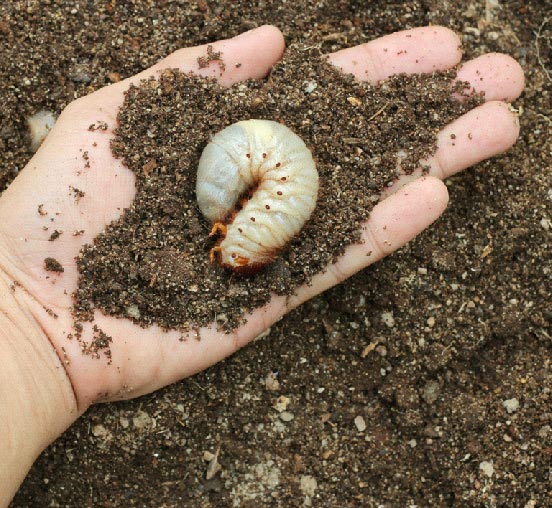
As a family-owned business proudly serving our community, we’ve seen countless lawns suffer needless damage because grub prevention wasn’t part of the spring action plan. These white, C-shaped beetle larvae live just beneath your soil surface, and when they hatch in summer, they feast on grass roots with devastating efficiency. By the time you notice brown patches and spongy turf in August and September, the damage is done. The good news? Spring preparation, specifically applying preventative grub control in late spring or early summer, stops this destruction before it starts. We’re proud members of the Good Contractors list, which means our services come backed by our 100% money-back guarantee. When you partner with Abracadabra for comprehensive lawn care including grub prevention, you’re choosing eco-friendly, targeted treatments delivered at optimal times by professionals who understand North Texas lawns inside and out.
Understanding the Grub Life Cycle in North Dallas
Why Spring Planning Matters for Summer Problems
The key to effective grub control is understanding their life cycle. Adult June beetles emerge from the soil in late spring, typically May through early June in North Texas. These beetles mate and then females burrow back into the soil to lay their eggs, with each female capable of depositing up to 30 eggs in healthy, well-maintained lawns. Within about two weeks, those eggs hatch into tiny grubs that immediately begin feeding on organic matter in your soil.
Here’s where timing becomes critical: these newly hatched grubs are small, vulnerable, and close to the soil surface, making them easiest to control. By late summer and early fall, they’ve grown into those characteristic white, C-shaped larvae that can reach up to an inch in length. At this mature stage, they’re voraciously feeding on grass roots, and they’re much harder to eliminate. They go through three larval stages, with two occurring in fall before they burrow deeper to hibernate through winter.
Many homeowners don’t discover grub problems until late summer when damage becomes visible. By then, mature grubs have already destroyed root systems, and while curative treatments can stop further damage, they can’t reverse what’s already been done. Your lawn requires extensive recovery efforts including reseeding or resodding. This is why spring planning and early summer prevention are so crucial; you’re getting ahead of the problem instead of reacting to damage.
Why Spring Is NOT the Time to Treat Existing Grubs
Common Misconceptions About Grub Control Timing
One of the biggest mistakes homeowners make is attempting to treat for grubs in early spring. Garden centers and big box stores often stock grub control products in spring when people are thinking about lawn care, but spring treatment is largely ineffective for a simple reason: grubs spend spring in their final larval stage, preparing to emerge as adult beetles. At this point, they’re larger, deeper in the soil, and most insecticides have little to no effect on them.
If you notice grub damage or find grubs while working in your garden this spring, don’t panic and rush to apply grub killer. The damage you’re seeing was actually done the previous fall. Those grubs will soon emerge as beetles regardless of spring treatments. Instead, your spring strategy should focus on two things: planning preventative treatment for the next generation of grubs, and implementing recovery measures for any damaged areas of your lawn through proper fertilization, aeration, and overseeding.
The most effective window for preventative grub control in North Dallas is June. This timing ensures the treatment establishes in your soil before eggs hatch, creating a protective barrier that eliminates newly hatched grubs before they can damage your grass. Apply too early in spring, and the treatment may lose effectiveness before grubs hatch. Wait until late summer when damage appears, and you’ve missed the prevention window entirely.
Creating Your Spring Grub Prevention Strategy
Preventative Treatment: The Smart Approach
At Abracadabra, we recommend preventative grub control as the cornerstone of any comprehensive lawn care plan. Our preventative treatment uses systemic insecticides applied in late spring or early summer (typically June) that are absorbed by your grass roots. When newly hatched grubs attempt to feed on those roots, they ingest the insecticide and die before causing damage. This treatment remains effective throughout the grub’s vulnerable period, providing protection when they’re most susceptible.
The application process is straightforward but requires professional precision. We apply the treatment evenly across your entire lawn using professional-grade equipment that ensures consistent coverage. The treatment must then be watered into the soil to activate it and reach the root zone where grubs will feed. This is why we coordinate application with your irrigation schedule or rainfall forecasts to maximize effectiveness.
Our preventative grub control treatments are guaranteed to last the entire season, protecting your lawn through the critical late summer and fall period when grubs cause the most damage. Because grubs go through their life cycle annually, preventative treatment should be applied every year to maintain protection. Think of it as an insurance policy for your lawn; the small investment in prevention far outweighs the cost of repairing extensive grub damage.
Integrated Lawn Health: Beyond Just Grubs
Grub prevention works best as part of a comprehensive lawn care program. Healthy, well-maintained lawns with deep root systems and vigorous growth are more resilient to any pest pressure, including grubs. Our fertilization program provides the nutrients your grass needs to develop strong roots that can better withstand limited pest feeding. Proper watering practices encourage deep root growth that makes grass less vulnerable to root-feeding insects.
Aeration, particularly in spring, helps break up compacted soil and heavy thatch layers that can reduce the effectiveness of grub control products. When soil is properly aerated, treatments penetrate to the root zone more effectively. Spring aeration also helps damaged lawns recover by improving oxygen, water, and nutrient access to roots. If your lawn suffered grub damage last season, combining spring aeration with preventative grub control and proper fertilization creates the ideal recovery and protection plan.
Signs to Watch For and When to Act
While preventative treatment is ideal, knowing the signs of grub activity helps you make informed decisions about your lawn care needs. In spring, you might notice increased activity from birds, skunks, or raccoons digging in your lawn. These animals feed on grubs, and their presence often indicates a grub population beneath the surface. If you see this activity, it confirms you should definitely include preventative treatment in your summer plan.
To check for grubs yourself, cut out a square foot section of turf at the edge of any suspicious brown patches and peel it back. Look for white, C-shaped larvae in the top few inches of soil. Finding more than five grubs per square foot indicates a significant population that will cause damage if left untreated. This type of inspection in spring can help you assess whether last year’s population was problematic and inform your prevention strategy for the current year.
Remember that successful grub management requires thinking ahead. The brown patches you prevent in August start with the decisions you make this spring. By including grub prevention in your spring lawn prep action plan, you’re investing in a healthy, beautiful lawn that thrives throughout the growing season rather than struggling to recover from preventable damage.
Ready to protect your North Dallas lawn from summer grub damage? Abracadabra Lawn Pest & Weed Control offers professional preventative grub treatments as part of our comprehensive lawn care programs. Our eco-friendly solutions, applied at the optimal time, keep your lawn healthy and beautiful all season long. Contact us today to add grub prevention to your spring lawn prep plan and ensure your grass stays green and vibrant through summer and beyond!