
Winter Weed Control: The Secret to Preventing Pest Infestations
Why Winter Weeds Are a Major Pest Problem in North Texas—And What You Need to Know
Most North Texas homeowners think winter is downtime for yard care. But this thinking costs them thousands in pest damage and lawn repairs. At Abracadabra Lawn Pest & Weed Control, we’ve discovered the critical connection most folks miss: winter weeds are the primary reason rodents, voles, insects, and other pests invade North Texas properties. When your lawn is overrun with henbit, chickweed, and annual bluegrass, you’re essentially rolling out a welcome mat for pests seeking winter shelter.
Our year-round approach to winter weed control prevents the pest problems that emerge in spring. Unlike reactive pest management, we stop problems before they start by eliminating the habitat pests need to survive North Texas winters. This comprehensive guide shows you how winter weeds and pests are connected—and why controlling one prevents the other.
How Winter Weeds Create Perfect Pest Habitats in North Texas
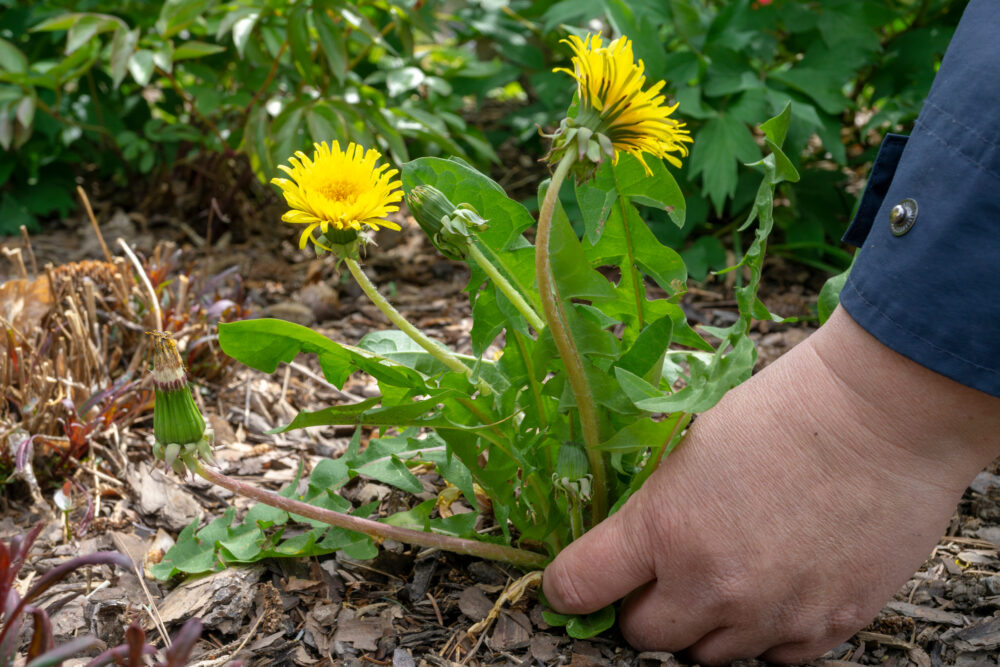
North Texas winters bring pests like poa annua (annual bluegrass), henbit, and dandelions that actively grow in dormant lawns. These weeds aren’t just eyesores—they’re pest magnets.
Dense mats of winter weeds like chickweed, henbit, and annual bluegrass provide shelter for rodents and insects, while their roots and stems offer food sources that sustain pest populations through cold months. Voles tunnel beneath henbit and chickweed patches, feeding on grass roots and tree bark while protected from predators. Mice nest inside weed thickets. Overwintering insect eggs hide in dense weed cover, emerging in spring to damage your new growth.
Warm spells, which are extremely common in North Texas and can push temperatures into the 60s, 70s, or even 80s, awaken pests such as scale insects, borers, and aphids far earlier than expected. Winter weeds provide the exact environment these early-activated pests need to survive and reproduce.
North Texas Winter Weeds: Specific Species and Timing
In North Texas, henbit seeds usually germinate in the cross-over period between winter and spring, thriving in thin lawns that lack nutrients and moisture. Common North Texas winter annual weeds include henbit (identifiable by purple flowers), chickweed (with small white flowers), and poa annua or annual bluegrass (a grassy weed that forms dense patches with seed heads).
In North Texas, lawn care is a year-round activity if you want to maintain healthy grass, with winter weed control beginning in October and December through pre-emergent applications. Timing matters because these weeds germinate in fall, go dormant in deep winter, then explode with growth as temperatures warm in late winter and early spring.
Pre-Emergent Applications: Your First Line of Defense
The most effective pest prevention strategy starts with pre-emergent herbicides applied in fall. Pre-emergents prevent weed seeds from germinating, and in North Texas, applications begin in late fall and continue through the end of April, typically involving three applications: once at the end of the season and twice a couple of weeks apart in early January.
If you let winter weeds build up and deal with them in spring, you’ll spend significantly more time and money getting “caught up,” whereas early pre-emergent applications reduce the likelihood of weed seeds from growing. By stopping weeds before they emerge, you eliminate the pest habitat they would create—preventing rodent invasions, insect infestations, and the costly damage they cause.
Healthy Lawn Maintenance Prevents Both Weeds and Pests
A healthy, dense lawn is more weed-resistant than thin or struggling turf, which makes room for weeds to establish and pests to find shelter. Proper maintenance includes mowing at the recommended height for your grass type, typically 2.5 to 3.5 inches, which discourages rodents and insects from nesting while allowing natural predators to spot prey.
In flower beds and landscaped areas, applying pre-emergent products followed by mulching further reduces weed likelihood, though mulch must be pulled back several inches from plant bases to prevent pest accumulation. Fixed outdoor water sources and proper drainage also reduce pest populations by eliminating moisture pests need to survive.
Why Professional Winter Weed Control Beats DIY Approaches
Many homeowners apply pre-emergents themselves with disappointing results. Professional applicators understand that herbicide selection must match your specific grass type and the winter weeds present. Timing, water activation, and proper application rates are critical factors homeowners typically overlook.
Ready to Stop Winter Weeds and Prevent Pest Problems?
Don’t wait until spring. Contact Abracadabra Lawn Pest & Weed Control today for a comprehensive North Texas winter weed and pest prevention assessment. Our certified technicians will evaluate your property, apply professional-grade pre-emergents, recommend habitat modifications, and provide ongoing monitoring through winter.
Call us now for a free inspection and custom winter weed control plan. Protect your North Texas property before pests move in.