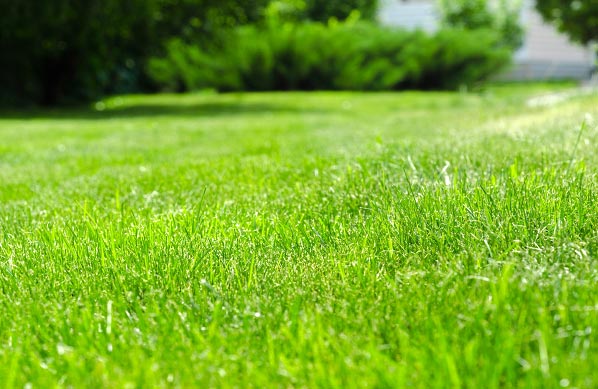
How Does Late Summer Weed Control Help Keep Your Lawn Healthy This Fall?
Late summer weed control is one of the most important steps you can take to improve your lawn’s health in the fall. Treating weeds before they mature and produce seeds reduces future infestations, helps grass absorb more water and nutrients, and prepares your lawn for stronger root growth during the cooler months. In warm-season lawns, timely weed control also helps prevent winter annual weeds from taking over as summer ends.
Late summer is a transition period for lawns, making it the ideal time to invest in their long-term health. At Abracadabra Lawn Pest & Weed Control, we understand that healthy lawns require more than occasional mowing or watering. Effective weed management requires the right timing, professional products, and a customized treatment plan. Our experienced team helps homeowners stop weeds before they become larger problems while strengthening turf for the seasons ahead. Instead of reacting to weeds after they’ve spread, we focus on proactive solutions that keep lawns greener, thicker, and more resilient throughout the year.
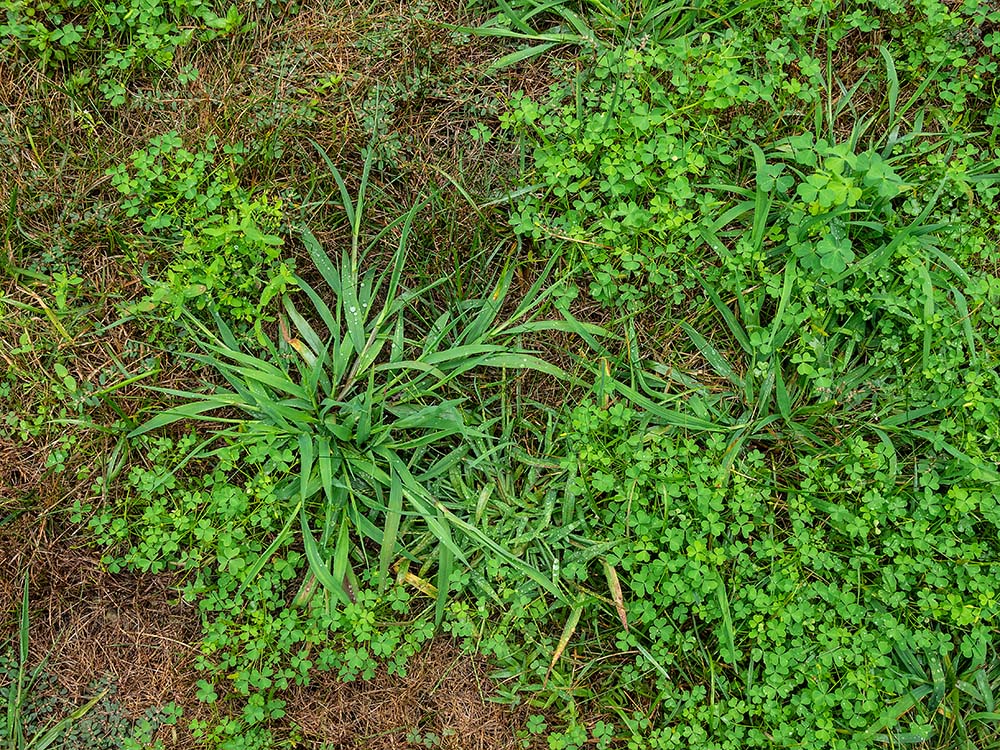
Late Summer Weed Control Benefits for a Stronger Fall Lawn
As temperatures begin to cool, many weeds remain highly active. While your grass starts preparing for fall growth, weeds continue competing for moisture, sunlight, and nutrients.
According to Texas A&M AgriLife Extension, fall is the recommended time to apply certain pre-emergent herbicides to prevent winter annual weeds such as annual bluegrass from germinating. Even lawns treated in spring often require another application during late summer or early fall to prevent seasonal weed outbreaks.
Professional late-season weed control helps:
- Reduce competition for nutrients
- Prevent many winter weeds before they emerge
- Improve lawn density
- Encourage healthier root development
- Reduce weed pressure the following spring
Why Is Late Summer the Best Time to Treat Weeds?
The simple answer is that weeds are still actively growing while your lawn is beginning to store energy for cooler weather.
Many perennial weeds naturally move nutrients into their root systems during late summer. Systemic weed control products travel with this movement, making treatments more effective than they often are during the hottest part of summer. Extension specialists consistently recommend late summer and early fall as an ideal window for controlling many established perennial weeds.
Waiting until weeds fully mature often means:
- More seeds are produced
- Larger root systems develop
- More treatments may be needed later
- Your lawn experiences additional stress
What Happens If You Skip Late-Summer Weed Control?
Skipping late-season treatments often creates problems that become noticeable in fall and even worse the following spring.
Without treatment:
- Winter annual weeds may germinate as temperatures cool.
- Existing weeds continue stealing water and nutrients.
- Bare spots become easier for new weeds to invade.
- Grass enters winter in a weaker condition.
University of California Integrated Pest Management notes that healthy turf combined with timely weed control reduces the need for repeated herbicide applications over time because dense grass naturally crowds out many weeds.
Which Weeds Should Be Controlled Before Fall?
The most common targets depend on your lawn, but late summer treatments often focus on both existing weeds and preventing new ones.
Common lawn weeds include:
- Crabgrass
- Spurge
- Nutsedge
- Clover
- Dallisgrass
- Annual bluegrass (prevention)
- Henbit (prevention)
- Chickweed (prevention)
Professional lawn evaluations help determine whether post-emergent treatments, pre-emergent applications, or a combination of both will deliver the best results.
How Can You Keep Weeds From Returning Next Spring?
The best long-term defense is combining professional weed control with healthy lawn care practices.
Homeowners can improve results by:
- Watering deeply but infrequently.
- Mowing at the proper height for their grass type.
- Fertilizing according to seasonal recommendations.
- Addressing thin or bare areas promptly.
- Following a year-round lawn treatment program.
According to Texas A&M AgriLife Extension, preventing winter annual weeds often requires a fall pre-emergent application, even if a spring application was already completed.
Professional lawn care programs coordinate fertilization, weed prevention, and turf health throughout the year, creating conditions where healthy grass naturally outcompetes weeds.
Frequently Asked Questions
Should I treat weeds in late summer or wait until spring?
Late summer is often the better choice because many weeds are still actively growing, and preventing winter weeds before they emerge helps reduce spring infestations.
Will weed control help my lawn grow thicker?
Yes. Removing weeds reduces competition for water, nutrients, and sunlight, allowing desirable grass to become denser and healthier over time.
Can I apply pre-emergent and post-emergent weed control together?
In many cases, yes. Lawn care professionals often combine treatments when appropriate to eliminate existing weeds while preventing new ones. The exact timing depends on your grass type and treatment goals.
Does every lawn need late-summer weed control?
Most lawns benefit from it, especially those with recurring weed problems or thin turf. Preventive treatments are generally more effective and less expensive than correcting heavy infestations later.
Ready to Protect Your Lawn Before Fall?
Late summer is your opportunity to stop weeds before they become next season’s problem. Abracadabra Lawn Pest & Weed Control provides customized weed control services designed to keep your lawn healthy, thick, and ready for fall. Contact us today to schedule your lawn evaluation and take the first step toward a healthier, weed-free lawn.