
Hidden Pests in My Lawn—What Should I Look For? A Homeowner’s Identification Guide
Spot Lawn Pest Damage Before It Becomes a Disaster—Expert Signs and Detection Methods
Your lawn looks okay from a distance. But underneath the surface—and often invisible to the naked eye—hidden pests could be systematically destroying your grass right now. At Abracadabra Lawn Pest & Weed Control, we’ve spent over a decade helping homeowners identify lawn pests before they cause catastrophic damage. The challenge is that many devastating lawn pests hide below the soil surface, in the thatch layer, or are simply too small to notice until significant damage appears. By then, recovery can be expensive and time-consuming. The good news: you can learn to spot early warning signs that indicate hidden pest problems. Understanding what to look for—and how different pests behave—puts you in control of your lawn’s health. This guide walks you through the most common hidden lawn pests, the damage they cause, and the detection methods that work. With this knowledge, you can catch infestations early and partner with professionals for treatment before your lawn becomes unrecoverable.
Understanding Your Hidden Pest Enemies: Meet the Most Destructive Species
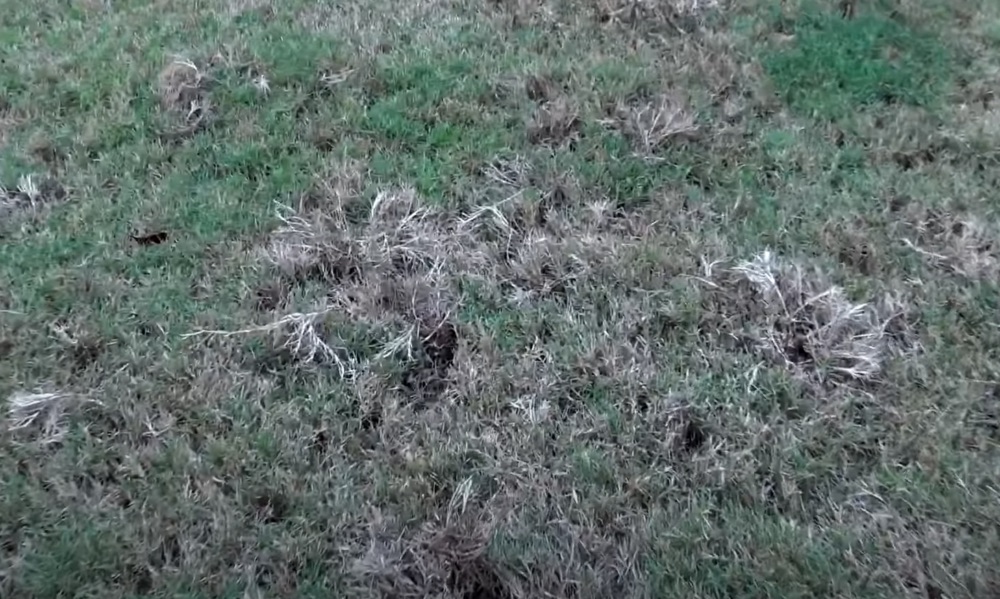
White Grubs: The Root Destroyers White grubs are the larval stage of beetles and feed on grass roots, causing wilted grass blades followed by brown turf patches and eventual death. Spongy, grub-damaged turf lifts easily off the soil in spring and summer to reveal grubs underneath. White grubs are C-shaped larvae with creamy white bodies, brown heads, and six legs, typically around 1 inch in length. A lawn infested with grubs feels spongy when walked on, shows irregular patches of brown or dead grass, and turf lifts up easily like a carpet.
Chinch Bugs: The Tiny Assassins Chinch bugs are sap-sucking insects that feed on grass and secrete a substance that causes grass to stop absorbing water, resulting in withering and death. They produce at least two generations from spring to early fall. Adult chinch bugs are small at about 1/6 inch long with black bodies and white wings folded over their backs. Nymphs are smaller and range from red to orange in color. Damage typically starts in sunny areas and can spread throughout the lawn rapidly.
Sod Webworms: The Night Feeders Sod webworm larvae are small caterpillars with a cylindrical body, ranging from light tan to greenish-brown. Adult lawn moths are small with a wingspan of about 1/2 to 3/4 inch. These caterpillars feed primarily at night, chewing grass blades and creating silk-lined burrows in the thatch layer where they hide during the day.
Detection Methods: How to Find Hidden Pests Before They Destroy Your Lawn
The Visual Inspection Approach Walk your lawn in early morning or late evening when pests are most active. Chinch bugs are usually found in areas receiving full sun or in the hottest part of the lawn, and can also be found near radiant heat sources like driveways or sidewalks. Look for irregular brown patches, particularly in sunny spots. Notice if grass appears yellowed or wilted despite adequate watering.
The Tug Test Grab a section of damaged grass at the base and pull. If the grass separates from the soil easily like a carpet, grubs have likely severed the root connection. Healthy grass will resist pulling.
The Soap Flush Test To detect chinch bugs, cut out both ends of a tin can to make a tube, push one end into the ground, and pour water into the can, keeping it filled for 10 minutes. If chinch bugs are present, they will float to the water’s surface. This simple test reveals hidden chinch bugs in the thatch layer.
The Dig and Inspect Method Using a spade or shovel, cut out a 12-inch square of sod from a damaged area and turn it over. Count white grubs in the soil. A lawn can still thrive while hosting up to 3-5 grubs per square foot because at that rate, grass can regrow its roots as fast as grubs eat it. If you find six or more per square foot, treatment is needed.
Warning Signs: What Healthy Lawns Never Display
Brown or Yellow Patches That Don’t Respond to Watering This is the most common sign of hidden pest damage. Grubs create irregular patches of brown or dead grass scattered across lawns, while chinch bugs cause yellowing and wilting that typically starts in sunny areas. If your lawn shows these patches despite regular watering, pests are likely responsible.
Increased Wildlife Activity If you see crows, skunks or moles feeding on your lawn, they are most likely searching for a grub meal. Birds, raccoons, and skunks digging up your lawn are signs of grub infestations.
Spongy or Bouncy Turf When you walk across your lawn, it feels soft or spongy rather than firm. This indicates grub damage to the root system.
Visible Frothy Substance in Thatch Spittlebugs create a frothy substance in the thatch level where they live, or a purple or white stripe running along the grass blade.
Prevention and Professional Diagnosis: Your Next Steps
Early detection is only half the battle. Proper identification determines the right treatment approach. Some pests require different control methods, and misidentification wastes time and money. Taking a small section of affected grass—including roots—and sending it to your local county extension office provides expert diagnosis.
Prevention strategies include maintaining proper mowing height, reducing thatch accumulation, balanced fertilization, and adequate watering. But when hidden pests are already active, professional treatment is essential.
Partner with Abracadabra for Expert Pest Identification and Control
You can’t protect your lawn from pests you can’t see. That’s where Abracadabra Lawn Pest & Weed Control comes in. Our experts identify hidden pests quickly and accurately, creating targeted treatment plans that address your specific infestation.
Concerned about hidden pests in your lawn? Contact Abracadabra Lawn Pest & Weed Control for a professional lawn inspection. We’ll identify any pests present, explain damage patterns, and recommend the best treatment approach to restore your lawn.
Call Abracadabra Lawn Pest & Weed Control today. Let’s identify and eliminate your lawn pests before they take over.