
Winter Planning: Preparing for Next Year’s Grub Season
How to Prepare Your North Texas Lawn for Grub Prevention Success
While most homeowners focus on winter holiday decorations and cold-weather yard prep, few realize that December is actually the ideal time to plan your defense against next year’s devastating grub infestations. At Abracadabra Lawn Pest & Weed Control, we’ve spent years protecting North Texas properties from white grubs—and we’ve learned that planning in winter is the difference between a thriving lawn in summer and a brown, patchy disaster by fall.
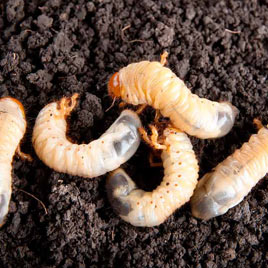
Grubs are the larval stage of beetles like June bugs, and they’re incredibly destructive. In North Texas, where clay-heavy soils and hot summers create ideal conditions for grub populations, these pests can destroy grass roots and cause damage that takes months to recover from. The best news? With strategic winter planning and professional preventive treatment, you can eliminate this threat before grubs ever hatch. This guide shows you exactly what to do now to protect your Wylie-area lawn for the season ahead.
Why Winter Planning Matters for Grub Prevention
Most homeowners don’t think about grubs until they see damage in late summer or fall. By then, it’s too late for prevention—you’re stuck with expensive curative treatments and potential re-sodding costs. Winter planning flips this script entirely.
Grub eggs hatch in mid to late summer and peak feeding occurs in early fall. This timeline means your prevention strategy must begin months earlier—during winter planning. The ideal time to treat grub worms in Dallas is early to mid-July, four to six weeks after the June bugs’ major mating flight, when small grubs are nearer the surface and more responsive to insecticide.
The key insight: Most lawns that struggle in spring had most of the damage done the previous fall when grubs are ½” to 1″ long. By planning now—in winter—you’re establishing the timeline and strategy needed to hit that July window perfectly, preventing damage before it starts.
Understanding North Texas Grub Lifecycle and Damage Patterns
North Texas has a unique grub situation compared to other parts of Texas. Because North Texas is in a transition zone, grubs can occur at any time of the year, with dormancy during fall and winter months, but feeding on roots come spring. North Texas’s clay-heavy soils and hot summers fuel grub infestations, making prevention even more critical.
If you can tug on your grass and it peels up like a carpet then you have a severe grub infestation. Watch for irregular patches of browning or dying grass, spongy turf underfoot, and increased animal activity from raccoons and birds that dig for grubs. By recognizing these signs early, you’ll know if your lawn experienced grub pressure this past year—information essential for planning your prevention strategy.
Building Your Winter Grub Prevention Strategy
Step 1: Assess Last Year’s Damage
Examine your lawn carefully before winter turf dormancy fully sets in. Did you notice brown patches in late summer or fall? Did animals dig in your yard looking for grubs? Document problem areas. This assessment reveals which zones need priority attention when treatment season arrives.
Step 2: Schedule Summer Preventive Treatment
In Central and North Texas, the best time to apply preventative treatment is around July. Mark your calendar now to schedule professional treatment in early to mid-July. Applying grub prevention in the summer months may limit grub larvae from developing, with prevention products designed to be applied within 6 weeks of egg-laying.
Professional preventive grub control is dramatically more effective than DIY approaches. Professional-grade, environmentally safe grub control products target larvae without harming your lawn, pets, or family, with a one-time treatment in late summer preventing grubs from reaching their destructive peak in fall.
Step 3: Optimize Your Lawn Health Now
Winter is when you can make landscape improvements that reduce grub risk. Deep watering encourages strong root growth by watering deeply but infrequently, especially in the summer, and mowing at least 3 inches tall helps shade the soil and deter beetles from laying eggs. Aeration reduces thatch buildup and makes soil less hospitable to grubs.
Remove leaf piles and debris now—these harbor pest eggs and overwintering insects. Trim back ornamental plantings away from your home’s foundation to eliminate pest hiding spots and travel corridors.
Step 4: Improve Irrigation Management
Pre-watering encourages grubs to come to the surface, making them easier targets for the application, and watering after treatment also helps filter the insecticide further into the ground. Plan your summer irrigation strategy now, ensuring you can time pre-treatment watering correctly when July arrives.
Why Professional Grub Prevention Beats DIY Attempts
Many homeowners try store-bought grub products with disappointing results. DIY grub control products aren’t as effective as professional-grade products, and homeowners commonly apply products improperly or infrequently, contributing to ineffectiveness. Additionally, timing matters enormously—applying products at the wrong stage of the grub lifecycle wastes money and leaves your lawn vulnerable.
Curative treatment is more expensive than preventative treatment, and if the problem wasn’t caught early and the grass is struggling to recover on its own, repairing damage with re-sodding can get even more expensive.
Ready to Prepare Your North Texas Lawn for Grub Prevention?
Don’t wait until June to think about grubs. Contact Abracadabra Lawn Pest & Weed Control today to schedule your summer preventive treatment and create a comprehensive winter planning strategy. Our certified technicians understand North Texas’s unique soil conditions, climate patterns, and grub lifecycle—we’ll assess your property, identify risk areas, and develop a tailored plan to keep your lawn grub-free.
Call us now for a free winter lawn assessment and grub prevention quote. Plan for success this year and enjoy a beautiful, healthy lawn all season long.