
What Should You Do Before Your North Texas Lawn Goes Dormant?
Before Bermuda, St. Augustine, or Zoysia grass goes dormant in North Texas, homeowners should gradually reduce mowing and watering, remove fallen leaves, monitor weeds, and address existing lawn problems. Proper fall preparation helps warm-season grass enter winter in better condition and supports healthier spring green-up. Fertilization and weed treatments should be based on turfgrass type, weather, and seasonal timing.
As temperatures begin dropping across North Texas, lawns start transitioning from active summer growth into winter dormancy. Bermuda grass may gradually lose its green color, while St. Augustine and Zoysia lawns can also slow significantly as cooler weather arrives.
Although dormancy is a normal part of the warm-season grass life cycle, homeowners can take steps to help their lawns handle the seasonal transition.
At Abracadabra Lawn Pest & Weed Control, we help homeowners in Wylie and surrounding DFW communities understand the importance of seasonal lawn care. From professional weed control to lawn fertilization and grass treatment services, our goal is to help homeowners maintain healthier lawns throughout the year. Preparing your lawn before dormancy can reduce preventable problems and support stronger growth when temperatures warm again.
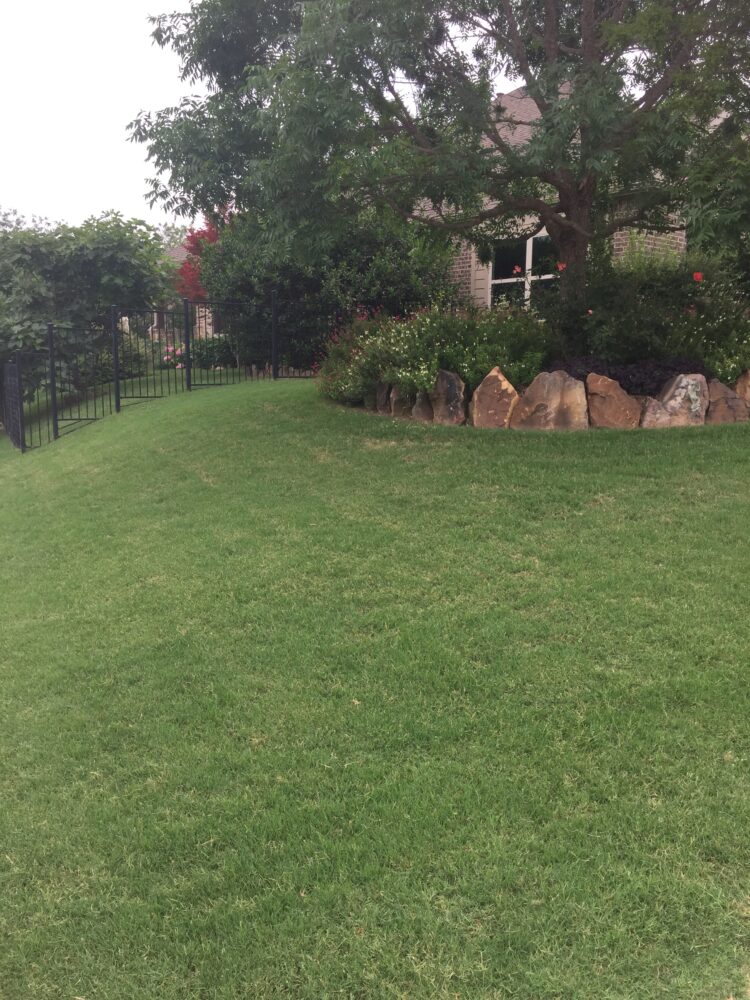
Fall Lawn Care Tips for Bermuda, St. Augustine, and Zoysia Grass in North Texas
Warm-season grasses share similar seasonal growth patterns, but their maintenance requirements are not identical.
Bermuda grass generally thrives in full sunlight and tolerates relatively low mowing heights. St. Augustine typically requires higher mowing and performs better than Bermuda in some partially shaded conditions. Zoysia grass varies by cultivar but generally grows more slowly and forms dense turf when healthy.
Understanding these differences helps homeowners make better decisions before winter.
When Do Warm-Season Lawns Go Dormant in North Texas?
Bermuda, St. Augustine, and Zoysia grass begin slowing their growth as daylight decreases and temperatures cool.
According to Texas A&M AgriLife Extension turfgrass guidance, warm-season grasses grow most actively during warmer months and become dormant or semi-dormant during colder periods.
In the Dallas-Fort Worth area, this transition commonly occurs during late fall, although exact timing varies from year to year.
Several factors influence when dormancy begins:
- Air temperature: Repeated cool nights slow turfgrass growth.
- Soil temperature: Cooling soil reduces root and shoot activity.
- Grass variety: Bermuda, St. Augustine, and Zoysia respond differently to seasonal changes.
- Sun exposure: Shaded areas may cool sooner than sunny portions of the lawn.
- Weather conditions: Early cold fronts or prolonged warm periods can affect the transition.
Grass turning brown during late fall does not automatically mean it is dead.
Dormant turf often retains living crowns, roots, and other plant tissues that support regrowth when favorable conditions return.
However, isolated brown patches, irregular damage, or areas that fail to recover in spring may indicate a separate lawn problem.
Should You Fertilize Bermuda, St. Augustine, or Zoysia Before Winter?
Fall fertilization should be based on the grass’s active growth, nutrient needs, and the timing of expected dormancy.
Applying excessive nitrogen fertilizer late in the season can encourage tender growth that may be more vulnerable to cold injury.
Texas A&M AgriLife Extension recommends basing lawn fertilization on soil testing and the nutritional requirements of the turfgrass.
For North Texas homeowners, the important distinction is between fertilizing during active fall growth and fertilizing after grass has essentially stopped growing.
A properly timed application may help address nutrient deficiencies while the grass is still actively growing. However, late-season fertilizer is not automatically necessary for every lawn.
Before fertilizing:
- Determine whether the grass is still actively growing.
- Review previous fertilizer applications.
- Consider a soil test to identify nutrient deficiencies.
- Avoid applying unnecessary nitrogen immediately before dormancy.
- Use a fertilizer appropriate for the turfgrass and soil conditions.
A professional lawn fertilizer service can help homeowners determine whether additional nutrients are beneficial or whether fertilization should wait until spring.
How Should You Adjust Mowing and Watering Before Dormancy?
Mowing and irrigation should gradually change as warm-season grass growth slows.
During summer, North Texas lawns often require frequent mowing and supplemental irrigation. As temperatures decrease, grass typically grows more slowly and loses less water through evaporation and transpiration.
Mowing adjustments
Continue mowing as needed while the grass is actively growing, but avoid cutting it excessively short before winter.
General mowing guidance for established lawns includes:
| Grass Type | Typical Mowing Height |
|---|---|
| Common Bermuda | 1 to 2 inches |
| St. Augustine | 2.5 to 4 inches |
| Zoysia | 1 to 2.5 inches, depending on variety |
These ranges are general guidelines. Specific cultivars and mowing equipment may require different heights.
Avoid removing more than one-third of the grass blade during a single mowing.
Watering adjustments
Reduce irrigation frequency as temperatures cool and rainfall increases.
Overwatering can leave soil saturated, encourage certain disease problems, and create favorable conditions for some weeds.
However, dormancy does not eliminate the need for moisture entirely.
During extended dry periods, dormant lawns may benefit from occasional irrigation when soil conditions warrant it and local watering restrictions allow.
The goal is to maintain appropriate soil moisture without continuing a summer watering schedule unnecessarily.
Why Is Weed Control Important Before Your Lawn Goes Dormant?
Fall weed control helps limit winter annual weeds that can establish while Bermuda, St. Augustine, and Zoysia grass become less competitive.
As warm-season turf slows down, weeds adapted to cooler conditions may begin growing.
Common examples include annual bluegrass, henbit, chickweed, and lawn burweed.
These weeds can remain relatively inconspicuous during early fall before becoming more noticeable later in winter or spring.
Pre-emergent weed control is generally most effective before target weeds germinate. Post-emergent products may be needed when weeds are already established.
Homeowners should avoid assuming that every herbicide is safe for every grass variety.
St. Augustine, for example, can be sensitive to certain herbicides that may be labeled for Bermuda grass.
A professional weed control service can help identify existing weeds and select treatments appropriate for the turfgrass, season, and weather conditions.
Maintaining a seasonal lawn care program can also help prevent recurring weed infestations from becoming larger problems.
What Other Lawn Problems Should You Address Before Winter?
Fall is a useful time to inspect your lawn for problems that may become harder to identify once the grass turns brown.
Start by walking through your yard and checking for unusual thinning, bare spots, persistent wet areas, and signs of insect damage.
Pay particular attention to the following:
Thatch buildup: Excessive thatch can interfere with water movement and contribute to certain turf problems. Major dethatching is generally better performed during active growth rather than immediately before dormancy.
Compacted soil: Heavy foot traffic and compacted areas can limit root development. Core aeration for warm-season lawns is typically best scheduled when grass is actively growing and can recover.
Lawn pests: Grubs and other turf-damaging insects may cause damage that becomes visible in late summer or fall. Treatment should depend on identifying an active pest problem rather than applying insecticides automatically.
Fallen leaves: Thick layers of leaves can block sunlight and trap moisture. Remove or mulch leaves regularly so they do not smother the grass.
Drainage problems: Areas that remain wet after rainfall may require irrigation adjustments or drainage improvements.
Addressing these issues at the appropriate time helps homeowners avoid carrying preventable problems into the next growing season.
Frequently Asked Questions About Preparing North Texas Lawns for Winter
Should I cut Bermuda grass short before winter?
Avoid scalping Bermuda grass immediately before dormancy. Continue mowing at an appropriate height while the lawn is growing, then reduce mowing frequency as growth slows.
Does St. Augustine grass turn brown during winter in Texas?
Yes. St. Augustine grass can turn brown or become partially dormant during cold North Texas winters. Browning alone does not necessarily indicate that the grass has died.
Should I water my lawn after it goes dormant?
Dormant lawns may still need occasional water during extended dry periods. Irrigation should be based on rainfall, soil moisture, weather conditions, and local restrictions.
When should I fertilize my North Texas lawn again in spring?
Wait until warm-season grass has resumed active growth before applying significant nitrogen fertilizer. Fertilizing too early can encourage weeds and provide limited benefit to dormant turf.
Prepare Your North Texas Lawn for a Healthier Spring
A healthy spring lawn often starts with smart decisions made before winter.
Adjusting your mowing and watering schedule, managing seasonal weeds, and identifying existing lawn problems can help Bermuda, St. Augustine, and Zoysia grass transition into dormancy with fewer complications.
Every lawn is different, and the right fall treatment plan depends on grass variety, soil conditions, and existing lawn health.
Ready to prepare your lawn for the cooler months? Contact Abracadabra Lawn Pest & Weed Control today to learn how our professional lawn treatment and weed control services can help protect your North Texas lawn throughout the changing seasons.